
Your Umrah journey holds more than you imagine. Just 90 kilometers from Makkah is a mountain city soaked in tears, blood, and ultimately, divine mercy. Prophet Muhammad (PBUH) faced his darkest day here when people stoned him until blood filled his shoes.
Yet this same place became a gateway to Islam’s expansion. We will tell you about the Taif ziyarat places where pain transformed into patience and rejection turned into victory.
1. Masjid Addas – Symbol of A Slave’s Compassion
You should stand where humanity conquered pride. After brutal rejection, a Christian slave named Addas showed our bleeding Prophet the kindness his own people denied him.
Addas served grapes to the wounded messenger. The Prophet said, “Bismillah” before eating. That single word puzzled Addas because nobody in Arabia spoke like this. Their conversation sparked immediate recognition in his heart. Islam gained a new believer through simple kindness.
The mosque is in the original garden where this meeting happened. Ancient trees still grow here, descendants of the vines that once fed our Prophet. You can pray where rejection met mercy, where a slave became a brother.
This remains essential among historical places in Taif because it proves that Allah’s plan works through unexpected people.
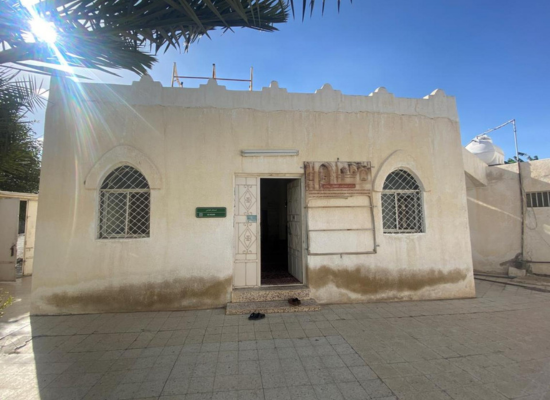
2. Masjid Abdullah ibn Abbas
You must discover Taif’s oldest mosque, built by the Prophet’s cousin. Abdullah ibn Abbas (RA) led Taif’s community after the city embraced Islam. He taught Quranic interpretation here for decades.
The mosque preserves its ancient character despite renovations. Original stonework remains visible in foundation sections. You pray where companions once stood, learning directly from the Prophet’s family.
Ibn Abbas later became known as “the ocean of knowledge.” His teachings spread across the Muslim world from this very spot. The mosque represents a transformation from a city that rejected truth to one that spread it globally.
Note – Visit during Fajr when the mountain air feels pure and the atmosphere invites deep reflection.
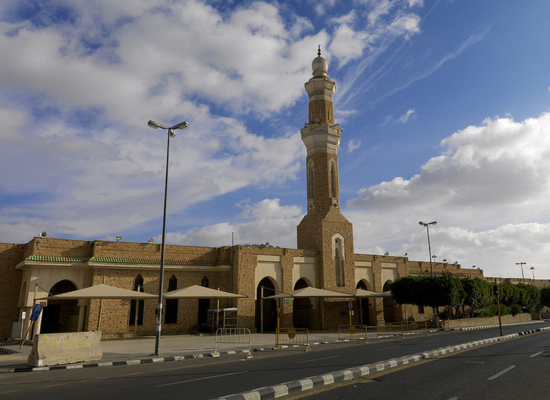
3. Al Hada Mountain
You must climb where the Prophet (PBUH) fled from attacking mobs. Al Hada’s rocky terrain provided cover as stones rained down on him. Blood soaked into this mountain’s soil that terrible day.
The mountain offers panoramic views of the Taif valley below. You see the entire city that once refused to listen. Standing here makes you feel the Prophet’s isolation, his physical pain, his emotional devastation.
Yet he prayed for their guidance, not their destruction. He asked Allah to guide their children even if the parents remained stubborn. This mountain witnessed the greatest display of prophetic mercy in Islamic history.
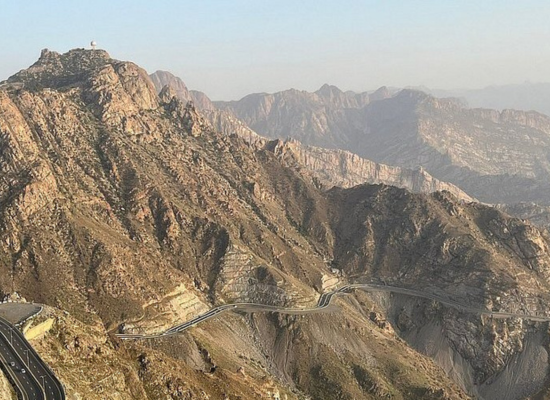
4. Masjid al-Kuhaf – Cave of Refuge
You should enter the cave where Prophet Muhammad (PBUH) rested after escaping the mob. Exhausted, bleeding, and heartbroken, he sat here contemplating his mission’s future.
Angel Jibreel appeared, offering to crush Taif between two mountains if the Prophet wished. Instead, our beloved messenger chose hope over revenge. He told the angel he expects their descendants to worship Allah alone.
The mosque built around this cave preserves the exact refuge spot. You can sit in the same space where the greatest decision of mercy was made. The cave feels small, intimate, and sacred beyond description.
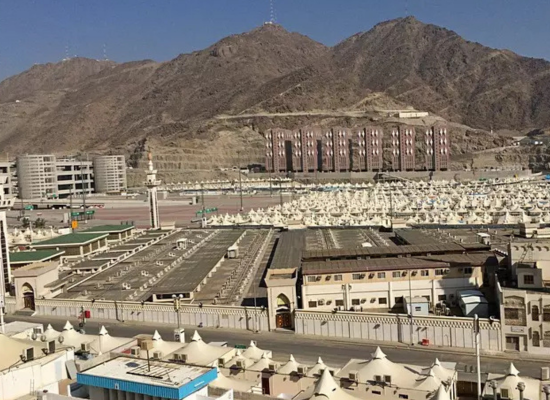
5. Taif National Park
You should breathe the mountain air in parks where Prophet Muhammad (PBUH) walked. Taif’s elevation brings cooler temperatures and lush greenery rare in the Arabian Peninsula.
The park contains walking trails through rose gardens. Taif produces the world’s finest rose oil, continuing a tradition from the Islamic golden ages. You can purchase authentic Taif rose products from local vendors.
Families enjoy picnic spots with stunning valley views. Children play safely while adults rest after visiting intense emotional sites. The park balances your spiritual journey with natural peace.
6. Shubra Palace – Ottoman Heritage
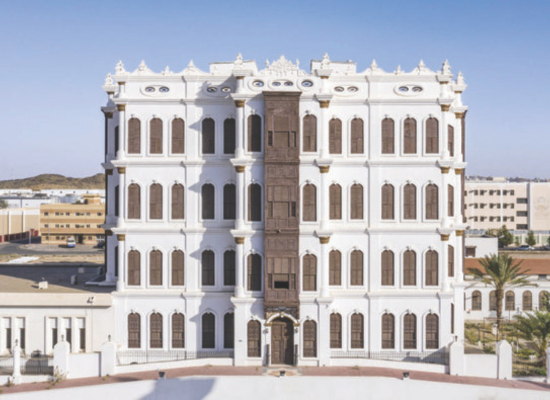
We recommend that you explore Taif’s grandest historical structure, built in 1905. While not directly from the Prophet’s time, this palace showcases historical places in Taif from the Ottoman era.
The palace served as King Abdulaziz’s summer residence. Its unique architecture blends Roman columns with traditional Arabian design.
The museum inside displays artifacts, photographs, and historical documents. This adds cultural depth to your Taif ziyarat places tour, showing Islam’s architectural legacy through the centuries.
7. Al-Khudari Mosque – Ancient Minaret
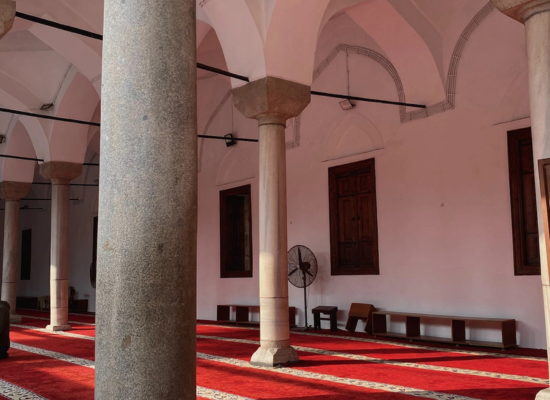
You find one of Taif’s oldest surviving mosques tucked in the historic quarter. Al-Khudari Mosque showcases traditional Hijazi architecture with its distinctive mud-brick minaret standing for centuries.
The structure underwent careful restoration, preserving its original character and historical authenticity. Local elders maintain continuous worship traditions that their ancestors started generations ago.
You can see hand-carved inscriptions detailing the mosque’s construction history on weathered walls. The ancient ablution facilities are carved from local stone, showing masterful craftsmanship.
8. Shifa Valley – Healing Waters
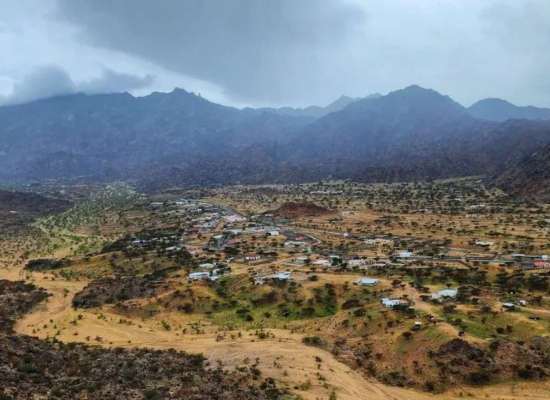
You discover this blessed valley named for its legendary healing properties. Shifa Valley contains natural springs where residents have collected water for centuries, believing in their curative blessings. The valley is near where Prophet Muhammad (PBUH) walked during his difficult Taif visit.
You can hike rocky terrain surrounded by mountain peaks with rare vegetation fed by underground springs. Local families picnic here, enjoying cooler mountain temperatures and trickling water sounds.
The peaceful atmosphere offers spiritual refreshment after visiting emotionally intense ziyarat places in Taif.
9. Taif’s Ancient Walls and Gates
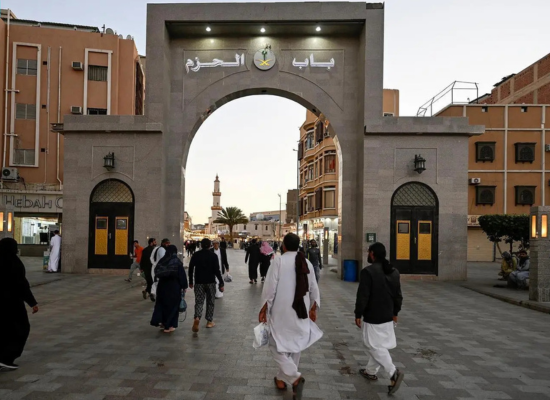
You walk along defensive wall remnants that once protected Taif from invaders. These fortifications witnessed the siege when Prophet Muhammad (PBUH) returned with Muslim forces before Taif peacefully accepted Islam.
Several original gates still stand, including Bab al-Haram and Bab Sherif, marking historic entry points. You can touch stones that have been defended against multiple conflicts throughout centuries.
These fortifications complete your Taif ziyarat understanding from military-historical perspectives. Early morning walks offer stunning views before tourist crowds arrive.
Why Visit Ziyarat in Taif?
Ziyarat in Taif means walking where the Prophet (PBUH) walked during his most difficult days. You discover how rejection transformed into victory through patience and trust in Allah.
The taif ziyarat list includes mosques, valleys, and mountains that witnessed pivotal Islamic moments. Each location teaches resilience, mercy, and complete reliance on divine wisdom. Your spiritual journey extends beyond rituals when you explore these blessed sites.
Understanding ziyarat places in Taif helps you appreciate early Muslims’ sacrifices. You will return home with deeper faith and a stronger connection to Islamic history.
Conclusion
Your faith deepens when you walk where prophets walked during their hardest trials. The taif ziyarat list takes you beyond comfort into spaces of profound sacrifice and mercy. From Masjid Addas to Wadi Waj, each location teaches patience through the Prophet’s example.
At Haramain Umrah Taxi, we make your Taif journey comfortable and meaningful. Our knowledgeable drivers guide you through all major historical places in Taif with authentic insights.
Book your tour today and discover how rejection transformed into Islam’s greatest expansion story.
FAQs
What is Taif famous for in Islam?
Taif is famous for the Prophet Muhammad’s (PBUH) journey in 619 CE when he sought support for Islam but faced rejection and persecution. The Angel Jibreel appeared, offering to destroy the city, but the Prophet showed mercy and prayed for the people’s guidance.
Where is the prophet’s stone in Taif?
The Prophet’s stone is located at Masjid Al-Kif in Taif, where Prophet Muhammad (PBUH) sought refuge. This sacred site marks where he rested against a rock, and visitors can still see the historical mosque commemorating this significant Islamic event today.
What is the history of Masjid e Ali in Taif?
Masjid Ali marks where Hazrat Ali (RA) led prayers during early Islamic times and served as a gathering place for companions. The mosque played a role in spreading Islam throughout the Taif region during the faith’s formative years.
Why is Taif called Taif?
Taif derives its name from the Arabic word meaning “encircling wall” or “surrounding barrier.” The Banu Thaqif tribe built a protective stone wall around the city in pre-Islamic times to defend against invasions. This distinctive fortification gave the city its name, reflecting its historical importance as a fortified mountain settlement.